Understanding the Impact of Live Music on City Culture
Live music has long been a cornerstone of urban culture in the United States. It fosters community connection, enhances emotional experiences, and contributes to the economic vitality of cities. In this article, we explore how live music influences city culture and the various factors that contribute to its significance.
The Role of Live Music in Community Building
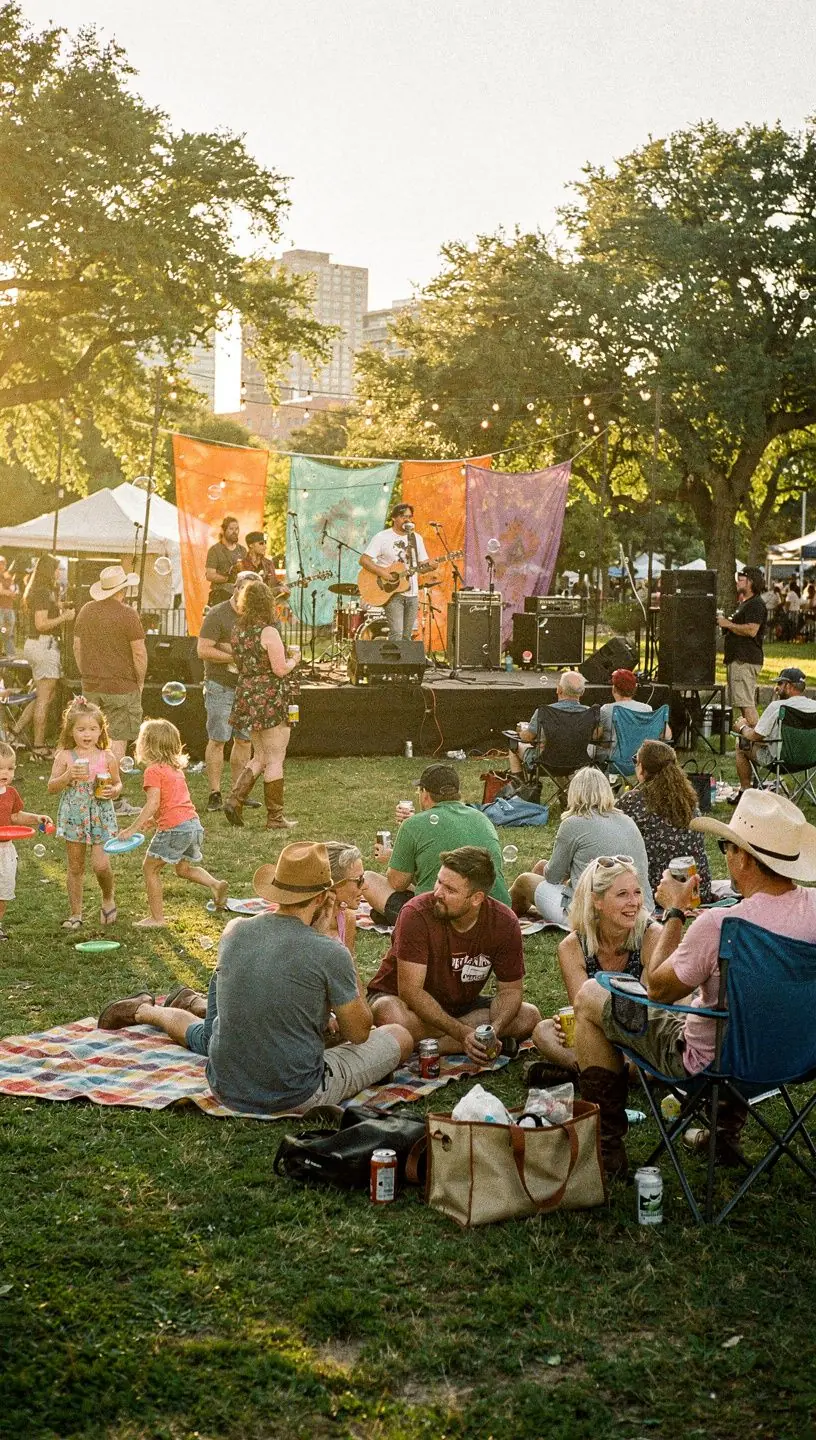
According to research from the National Endowment for the Arts, community participation in live music events often leads to stronger social ties and a sense of belonging among residents. This occurs because such events typically provide a space for individuals from diverse backgrounds to gather and share experiences.

"Music can be a powerful unifier in our communities, providing a common ground for conversation and interaction." - City Cultural Expert
Economic Contributions
Studies show that live music events can significantly boost local economies. For instance, a report by the Brookings Institution indicates that cities with vibrant live music scenes often see an increase in revenue from tourism and local businesses. This can include:
- Increased Tourism: Visitors often choose destinations based on entertainment options, including live music.
- Job Creation: Venues require staff, sound technicians, and security, contributing to local employment.
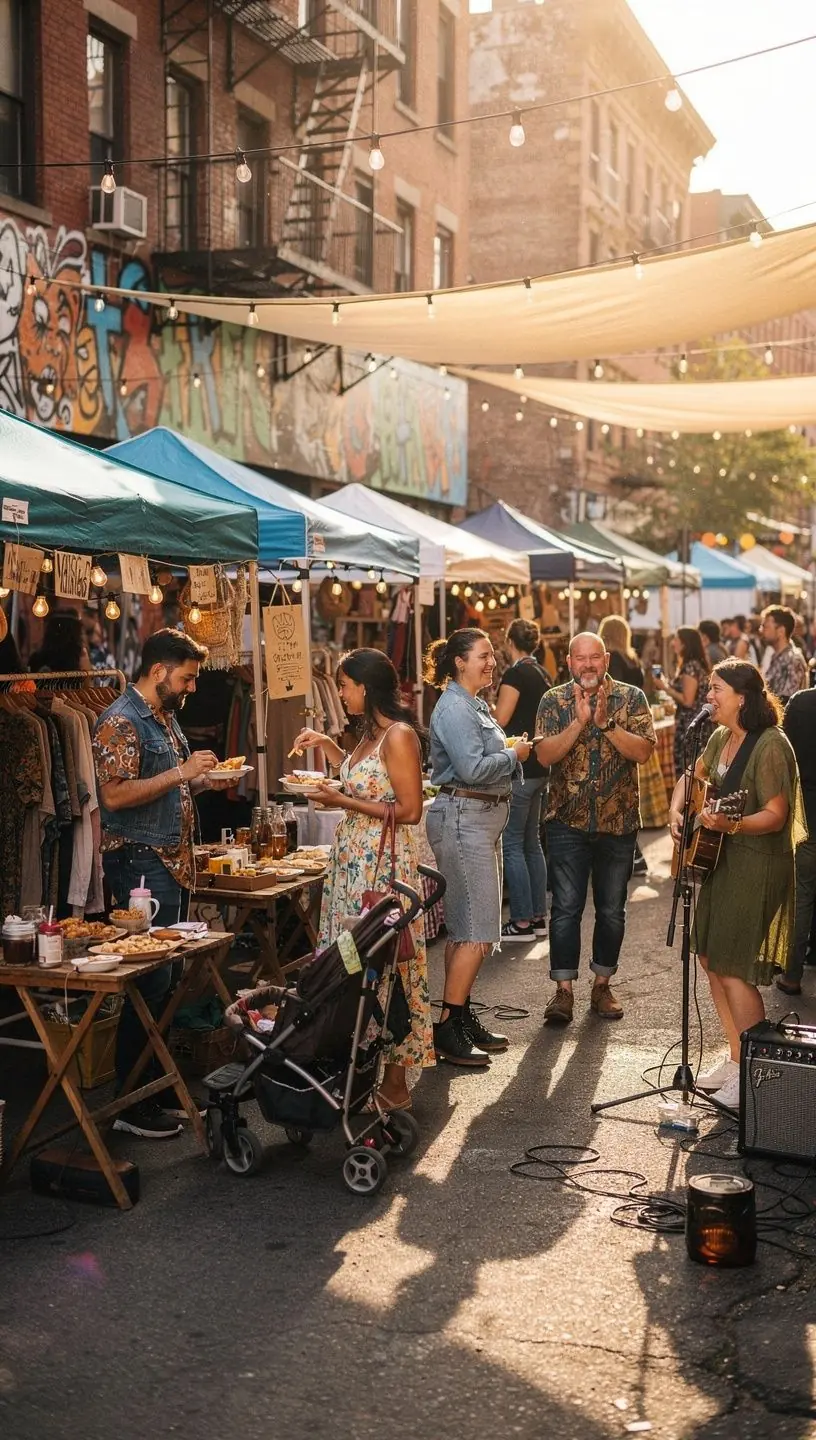
- Support for Local Businesses: Restaurants and shops often see increased patronage during music events.
Emotional and Social Impact
The experience of live music can evoke strong emotions, often enhancing the overall quality of life in urban environments. According to experts, live performances can:
- Provide an outlet for self-expression and creativity.
- Reduce stress and improve mental health through communal enjoyment.
- Encourage cultural exchange and appreciation through diverse music genres.
While attending live music events can be enjoyable, it typically requires individuals to engage with their community actively. This means finding venues, staying informed about local events, and often making time commitments that may not be ideal for everyone.
Acknowledging Limitations
It's important to recognize that not all cities have equal access to live music opportunities. Factors such as funding, venue availability, and local policies can affect the extent and quality of live music in a given area. Additionally, the experience of live music can vary based on factors like:
- Venue Size: Smaller venues may offer a more intimate experience but less accessibility.
- Genre Preferences: Some individuals may find that their preferred music styles are underrepresented in their local scene.
- Economic Barriers: Ticket prices can be a barrier for some community members, limiting participation.
Conclusion
Live music plays a crucial role in shaping urban culture, fostering relationships, and boosting economies in cities across the U.S. While the positive impacts are evident, it is essential to acknowledge the limitations and challenges that some communities face in accessing live music experiences. By understanding these dynamics, city planners and community leaders can work towards creating more equitable and vibrant music scenes that benefit everyone.